
False Alarms & System Faults
How often should fire alarms be tested in 2026?
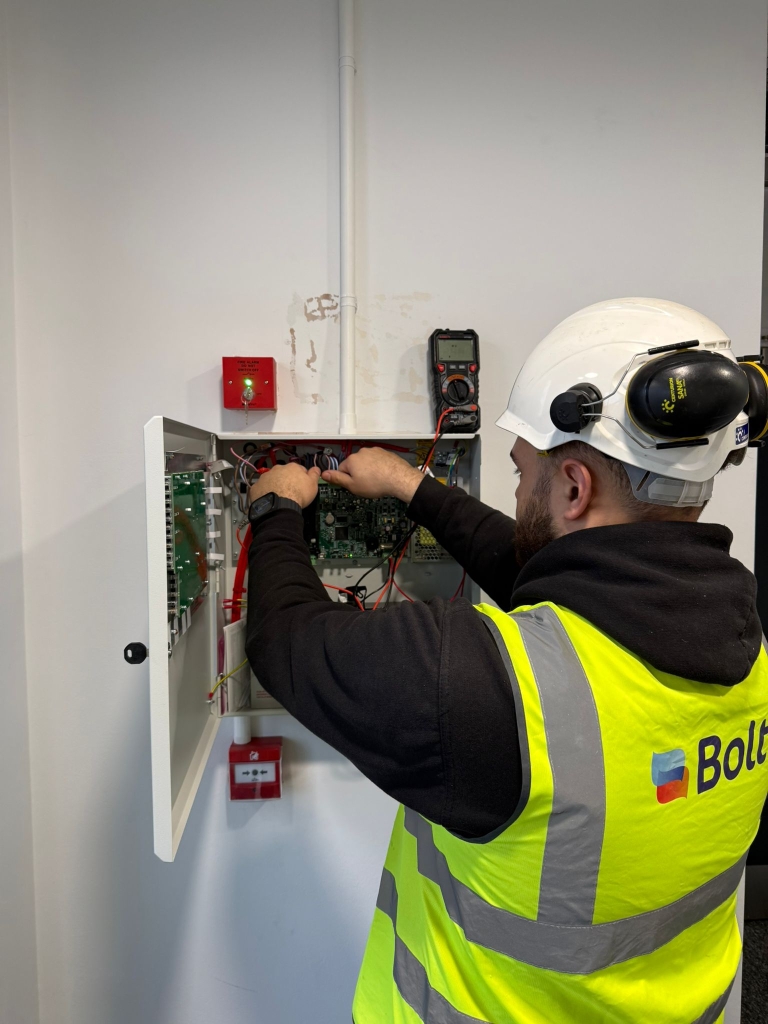
Fire alarm testing frequency in the UK has not changed for 2026. The expectations remain set by established guidance, particularly BS 5839-1 for non-domestic buildings. What has changed is scrutiny, with Responsible Persons expected to clearly evidence that testing is routine, recorded and effective.
This article explains how often fire alarms should be tested, as well as who is responsible for each check and how testing fits into wider compliance duties. So if you’re a Responsible Person in your non-domestic property, looking for clarity rather than assumptions, keep reading.
What standard governs fire alarm testing in the UK?
Fire alarm testing in non-domestic premises is guided by BS 5839, specifically Part 1 (referred to as BS 5839-1). While not legislation, it is the recognised benchmark for best practice in fire alarm safety.
For Responsible Persons, following BS 5839-1 provides a defensible framework for demonstrating that fire alarm systems are being properly managed. Testing frequencies set out in the standard are widely relied upon during audits and inspections.
How often should fire alarms be tested weekly?
Fire alarms should be tested weekly in all non-domestic buildings. This is a user responsibility rather than a specialist tasks.
Each test should involve operating at least one manual call point to confirm that:
- the alarm sound correctly
- the signal reaches the control panel
- any monitoring connection responds as expected
Call points should be rotated so that all are tested over time, rather than testing the same each week. Weekly testing will help identify faults early and confirm the system is operational between professional visits (usually every 6 months).
How often should fire alarms be inspected by a professional?
In addition to weekly user tests, fire alarm systems require periodic inspection and servicing by a competent professional. BS 5839-1 recommends professional servicing:
- at least every 6 months for most systems
- more frequently where systems are complex or critical
These visits go beyond basic operation. They also assess detector condition, fault history, system configuration and any changes to the building that may affect performance.
What checks are carried out during routine testing?
Weekly user testing is limited in scope, with the purpose for these checks being more for confirmation than actual diagnosis of issues.
Professional servicing meanwhile includes more detailed checks, such as:
- testing a proportion of detectors and call points
- inspecting batteries and power supplies
- reviewing logbooks and fault trends
- confirming audibility and visual warnings
Together, user testing and professional servicing provide layered assurance that the system remains reliable.
Who is responsible for fire alarm testing?
The Responsible Person is legally accountable for ensuring fire alarms are tested and maintained. This responsibility cannot be delegated, even it tasks are assigned to others.
In practice, weekly tests are often carried by facilities teams or building managers. Servicing is usually contracted to a specialist provider. What matters is that testing happens as required and is properly recorded.
Lack of records is often treated as lack of testing.
Have testing requirements changed in 2026?
No specific regulatory changes have altered fire alarm testing frequencies for 2026. The expectations set out in BS 5839-1 remain current.
However, enforcement continues to increase. Responsible Persons are expected to demonstrate not just that testing occurs, but that:
- faults are acted upon
- testing is consistent
- records are complete and up to date
Testing that exists only in theory offers little protection.
How should fire alarm tests be recorded?
All tests and inspections should be recorded in a fire alarm logbook. This includes weekly tests, faults, false alarms and maintenance visits.
Records should be clear, dated and retained. They form part of the compliance trail and are often requested during audits or investigations.
What happens if fire alarms are not tested correctly?
Failure to test fire alarms regularly increases the risks of undetected faults. It can also undermine legal compliance.
In the event of an incident, missing or inconsistent records may raise questions about whether reasonable measures were in place. Regular testing helps reduce both safety risk and liability exposure.
Conclusion
In 2026, UK fire alarm testing requirements remain clear. Weekly user testing and periodic professional servicing are both expected under BS 5839-1. Together, they ensure systems remain operational and risks are identified early.
For responsible persons, the key is consistency, documentation and follow-through. If you are unsure whether your current testing regime is adequate, professional advice can provide the reassurance you need. Get in touch with our team at Bolt Fire, to review your arrangements or discuss best practice for ensuring fire alarm compliance.